Digital Health Insurance Buyers in India: What Insurers Must Change


- Google and McKinsey's October 2026 report finds consumers spend nearly 80% of their insurance research and purchase time on digital platforms. Digital channels influence over 20 million of the roughly 50 million health and life policies sold each year, against about 5 million closed directly online.
- These buyers are called DICA: Digitally Influenced, Closed with Assistance. About 78% check two or three insurers online before speaking to an advisor, and more than half keep that shortlist. Fewer than 30% are comfortable with a fully or mostly digital route, so the advisor still closes most of these sales.
- Buyers keep the advisor for reassurance on a long-term commitment (44%) and for help with terms and exclusions (28%). In the report's insurer data, digitally influenced buyers of individual health insurance paid about 1.4 times the portfolio average premium, a sample finding and not an industry benchmark.
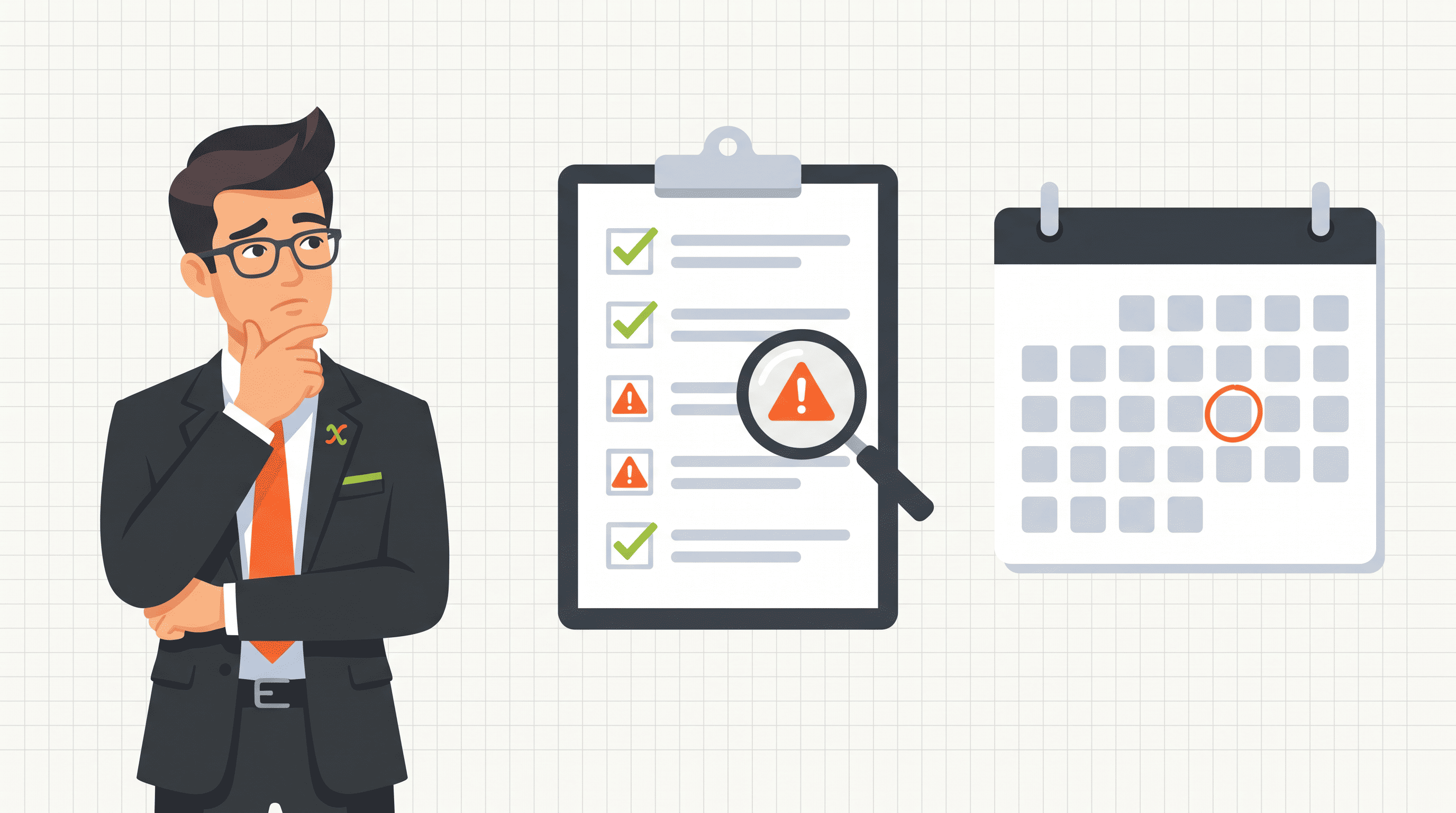
- Distribution breaks at the handoff. Google's SLIP framework names slow help, lost context, information mismatch (22% of consumers) and a personalisation gap (34%). Quotes that differ between channels add a further risk that the study does not measure.
- Insurers need one configurable journey per channel, the same governed quote everywhere, leads that carry their details, multi-insurer comparison for brokers and product answers drawn from policy wording. The post maps these to Distribution Pro, Quote Pro, Sales Pro, Aggregator Pro and AgentFX.
How Digital Health Insurance Buyers in India Research and Buy
Google published Decoding the DICA Consumer in October 2026, with McKinsey & Company as knowledge partner. The research combines a September 2026 survey of 1,039 insurance consumers, masked insurer lead-to-conversion data, interviews with advisors and industry participants, Google's own data and McKinsey's analysis. It covers health and life insurance. (Indian Television)
Consumers spend nearly 80% of their insurance research and purchase time on digital platforms. Digital channels influence more than 20 million of the roughly 50 million health and life policies sold each year, over four times the roughly 5 million closed directly online. (Outlook Money; Storyboard18)
The report calls the largest group "Digitally Influenced, Closed with Assistance", or DICA: buyers who research and shortlist online, then close with an advisor. About 78% of consumers check two to three insurers online before speaking to an advisor or call centre, even though India has more than 60 insurers, and more than half keep that shortlist after the conversation. Fewer than 30% of surveyed consumers are comfortable with a fully or mostly digital route. Long-term commitment explains much of the gap: around 44% want a human involved to make sure their money is safe, and 28% rely on advisors to explain complex terms and exclusions.
The commercial case shows up in the report's insurer data. For individual health insurance, digitally influenced consumers' average premium per policy was around 1.4 times the portfolio average. That comes from masked insurer data, so it is a sample finding and not an industry benchmark.
Health-specific data points the same way. A Policybazaar analysis reported in July found that nearly 75% of health insurance buyers compare at least three plans before buying. Star Health reported 38% year-on-year growth in fresh health policies through its direct digital channel in FY26, with about 66% of those customers under 40. (Star Health FY26 data) The report also finds that the top 20 non-metro cities have almost double the national DICA average of 10 to 12%, so the pattern extends beyond the metros.

Where Health Insurance Distribution Breaks
Google's report names four friction points where DICA buyers drop out, which it calls SLIP: slow help, lost context, information mismatch and a personalisation gap. (Outlook Money) Insurers' systems touch all four. Three show up at the handoff from digital research to the advisor.
Help arrives late and context is lost
Buyers who have already researched online end up restarting the conversation with an advisor or a new agent, and help can arrive after their intent has faded. The buyer has already shared details with a website, a partner or an aggregator, and the shortlist is already made. Those details need to stay visible to whoever picks up the conversation. Google India's director called closing the gap between digital evaluation and the offline advisory experience the biggest lever for penetration and value creation, per Business Standard.
What the buyer read online differs from what the advisor says
In the report, 22% of consumers experienced discrepancies between their online research and the advisor's details, and 34% wanted more tailored recommendations. Where product details and rules are configured separately for each channel, discrepancies like these are easy to create.
The quote changes between channels
Buyers compare at least three plans and anchor on a number. If the advisor or partner produces a different premium for the same profile, the conversation turns to explaining the difference. The study does not measure this. It follows from how quotes are produced when each channel keeps its own rates.
IRDAI's proposed distribution reforms will also change advisor economics. We cover them in our IRDAI distribution reforms explainer.
What Insurers' Technology Needs to Do
What a buyer searches on Google or an aggregator sits outside an insurer's systems. What insurers control is what happens from the moment the buyer reaches their own journey, advisor or partner. Five capabilities decide how much of the shortlist survives that moment.
- One journey per channel, changed by the business team. Website, agent, bank and broker journeys should share the same product and rules, with channel-specific steps, and be adjustable without a development cycle.
- The same quote everywhere. Channel-specific rates are legitimate. Differences nobody approved are not. Rate changes need a history, and discounts need an approval step.
- Leads that carry their details. Whoever picks up the conversation should see what the buyer has already shared, and follow-up should be tracked.
- Comparison for intermediaries. Brokers sell against the same multi-insurer comparison buyers run online, so they need the same view of premiums and benefits.
- Product answers drawn from the insurer's own documents. With 28% of buyers relying on advisors to explain terms and exclusions, answers online and in advisor journeys should come from the actual policy wording.
Putting It Into Practice
The first three capabilities depend on whether business teams can configure journeys, rates and lead handling themselves. Distribution Pro configures products, rules, pricing and validations without code, and builds channel-specific and partner-level quote, proposal and policy journeys, with partner-specific themes and an assisted journey mode. It connects to CRM, KYC, payment and core systems through APIs. Quote Pro supplies channel-specific rates, version-controlled rate changes, quote versioning and comparison, and maker-checker approval on discounts and loadings. Sales Pro covers lead capture and management, and tracks follow-up activity.
The last two are narrower. Aggregator Pro supports broker-led quotation and real-time comparison across multiple insurers on one white-label platform. For product questions, AgentFX answers only from the insurer's own documents, with page-level citations, as described in how agents are built and deployed on AgentFX.
None of these control what a buyer sees on Google or an aggregator. They cover the insurer's own journeys, advisors and partners.
Frequently Asked Questions
What is a DICA buyer?
DICA stands for "Digitally Influenced, Closed with Assistance". These buyers research and shortlist insurance online, then close with an advisor. Google estimates that digital channels influence over 20 million health and life policies a year, against about 5 million closed directly online.
Do Indian buyers purchase health insurance fully online?
Some do, and the share is growing. Star Health reported 38% year-on-year growth in fresh health policies through its direct digital channel in FY26. Overall, only about 10% of health and life policies are closed directly online, and fewer than 30% of consumers are comfortable with a fully or mostly digital route.
What should health insurers fix first?
Start with the handoff from online research to the advisor or partner. The quote, the buyer's details and their stated requirements should be available to whoever continues the conversation, so the buyer does not have to repeat them.
To see how Distribution Pro and Quote Pro set up channel journeys and consistent quotes, get in touch for a walkthrough.